How to Make a Vertical Herb Garden?
Vertical gardening has become a popular trend for those looking to maximize space and create a visually appealing display of greenery in their homes. One of the most efficient and practical ways to incorporate vertical gardening into your space is by creating a vertical herb garden. Not only does this allow you to have fresh herbs at your fingertips, but it also adds a touch of nature to your living environment. If you’re interested in creating your own vertical herb garden, here are some simple steps to get you started.
Choosing the Right Location
The first step in creating a successful vertical herb garden is choosing the right location. Herbs typically require plenty of sunlight to thrive, so it’s essential to select a spot that receives at least 6-8 hours of sunlight per day. A sunny balcony, patio, or a south-facing wall are ideal locations for a vertical herb garden. Make sure that the area is easily accessible for watering and harvesting, as you’ll want to be able to tend to your herbs regularly.
Selecting the Right Herbs
When it comes to choosing which herbs to grow in your vertical garden, consider the ones that you use most frequently in your cooking. Some popular options for a vertical herb garden include basil, mint, rosemary, thyme, and parsley. Additionally, you may want to include some decorative herbs like lavender or chamomile to add variety and visual interest to your garden. Remember to consider the growth habits of the herbs you choose, as some may spread or grow taller than others, which can affect the overall design of your vertical garden.
Choosing the Right Containers
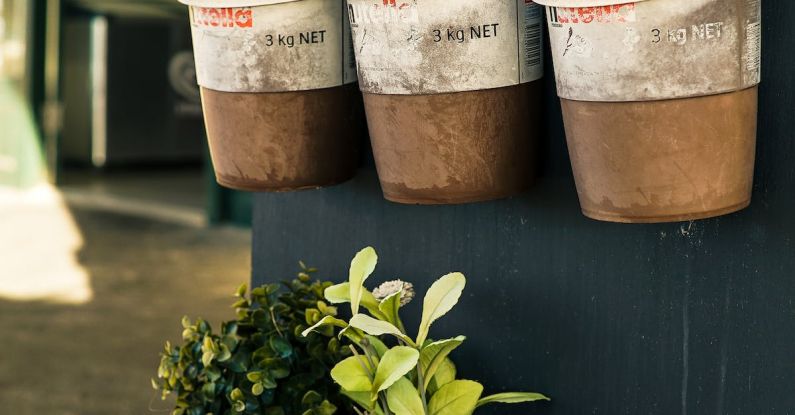
Vertical herb gardens can be created using a variety of containers, from traditional pots and planters to repurposed items like mason jars or tin cans. When selecting containers for your vertical garden, make sure they have proper drainage holes to prevent waterlogging. Additionally, consider the size of the containers in relation to the size of the herbs you’ll be planting – larger herbs will need larger containers to accommodate their root systems. You can mix and match different container sizes and styles to create a visually appealing and dynamic display.
Creating a Support Structure
To create a vertical herb garden, you’ll need a support structure to hold your containers in place. There are many options for support structures, including wall-mounted shelves, hanging planters, or DIY trellises. If you’re short on space, a hanging shoe organizer or a vertical garden planter designed specifically for herbs can also work well. Consider the weight-bearing capacity of your chosen support structure and make sure it is securely attached to the wall or ceiling to prevent accidents.
Planting and Watering Your Herbs
Once you have chosen your location, selected your herbs, chosen your containers, and set up your support structure, it’s time to plant your herbs. Fill each container with a high-quality potting mix, leaving enough space for the herb’s roots. Plant your herbs according to their individual spacing and depth requirements, and water them thoroughly after planting. Herbs generally prefer well-draining soil, so be mindful not to overwater them. Check the moisture levels regularly and water your herbs when the top inch of soil feels dry to the touch.
Maintaining Your Vertical Herb Garden
To ensure the health and longevity of your vertical herb garden, it’s essential to maintain it regularly. Prune your herbs as needed to encourage new growth and prevent them from becoming leggy. Fertilize your herbs every 4-6 weeks with a balanced liquid fertilizer to replenish nutrients in the soil. Keep an eye out for pests and diseases, and address any issues promptly to prevent them from spreading to other plants. Regularly harvest your herbs to promote bushier growth and prevent them from going to seed.
Enjoying the Fruits of Your Labor
Creating a vertical herb garden is a rewarding and enjoyable project that allows you to bring a bit of nature into your living space. By following these simple steps and caring for your herbs diligently, you can enjoy a bountiful harvest of fresh, flavorful herbs year-round. Whether you’re a seasoned gardener or a novice plant enthusiast, a vertical herb garden is a versatile and practical addition to any home. So roll up your sleeves, get your hands dirty, and start growing your very own vertical herb garden today!