What Are Easy Embroidery Techniques for Beginners?
Embroidery is a timeless craft that allows you to create beautiful designs on fabric using needle and thread. For beginners, getting started with embroidery can be both exciting and overwhelming. With so many different techniques and stitches to learn, it’s essential to start with the basics. In this article, we will explore easy embroidery techniques that are perfect for beginners looking to dive into this creative and rewarding craft.
Choosing the Right Materials
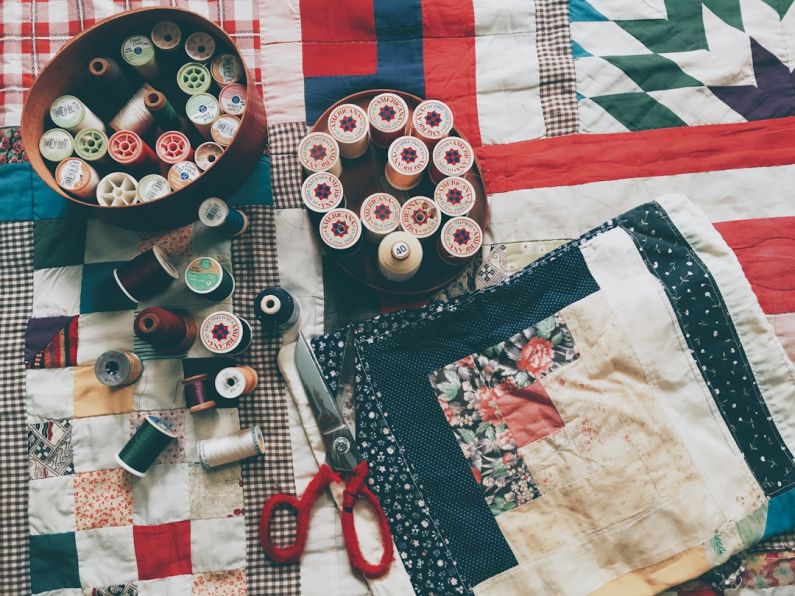
Before diving into embroidery techniques, it’s essential to gather the right materials. As a beginner, you will need a few basic supplies to get started. These include an embroidery hoop, embroidery floss in various colors, embroidery needles, fabric, and a pair of scissors. Investing in quality materials will make your embroidery experience more enjoyable and help you achieve better results.
Backstitch
One of the most straightforward and versatile embroidery stitches for beginners is the backstitch. This stitch is commonly used for outlining designs and creating straight lines. To work a backstitch, bring the needle up through the fabric and then back down a short distance away. Bring the needle up again, this time coming up through the end of the previous stitch, and continue in this manner to create a solid line of stitches.
Running Stitch
The running stitch is another basic embroidery stitch that is perfect for beginners. This stitch is created by making straight, evenly spaced stitches along a design line. The running stitch can be used for outlining, adding texture, or filling in small areas. To work a running stitch, bring the needle up through the fabric, make a straight stitch, and then bring the needle back down through the fabric at an even distance from the previous stitch.
French Knot
Adding texture to your embroidery design is easy with the French knot. This simple stitch creates a raised bump on the fabric and can be used to represent flowers, eyes, or other small details. To make a French knot, bring the needle up through the fabric and wrap the floss around the needle two or three times. Holding the wraps in place, insert the needle back down through the fabric close to where you came up. Gently pull the floss taut to create a small knot on the surface of the fabric.
Satin Stitch
The satin stitch is a versatile filling stitch that is great for creating solid blocks of color in your embroidery designs. To work a satin stitch, bring the needle up through the fabric at one end of the shape you want to fill. Bring the needle back down at the opposite end, and then bring it back up next to the first stitch. Continue filling in the shape with parallel stitches until the area is completely covered.
Split Stitch
The split stitch is a variation of the backstitch that creates a delicate, braided look. This stitch is great for adding texture and dimension to your embroidery designs. To work a split stitch, bring the needle up through the fabric and make a small stitch. Instead of bringing the needle back down next to the first stitch, bring it back down through the middle of the stitch, splitting the floss in half.
Experiment and Have Fun!
Embroidery is a creative and expressive art form that allows you to experiment with different stitches, colors, and designs. As a beginner, don’t be afraid to try new techniques and push your boundaries. The more you practice, the more confident you will become in your embroidery skills. Remember to have fun and enjoy the process of creating beautiful hand-stitched designs.
In conclusion, mastering easy embroidery techniques as a beginner is a rewarding journey that can lead to the development of new skills and a deeper appreciation for the art of embroidery. By starting with basic stitches like the backstitch, running stitch, French knot, satin stitch, and split stitch, you can build a strong foundation for more advanced techniques in the future. So grab your needle and thread, and start stitching your way to beautiful embroidered creations!