How Can I Learn Basic Woodworking?
Learning basic woodworking can be a rewarding and fulfilling skill to acquire. Whether you want to create custom furniture pieces, build shelves, or simply enjoy working with your hands, woodworking offers a creative outlet that can lead to a sense of accomplishment. If you’re wondering how you can get started with woodworking, there are several practical steps you can take to begin your journey into this craft.
Tools and Equipment
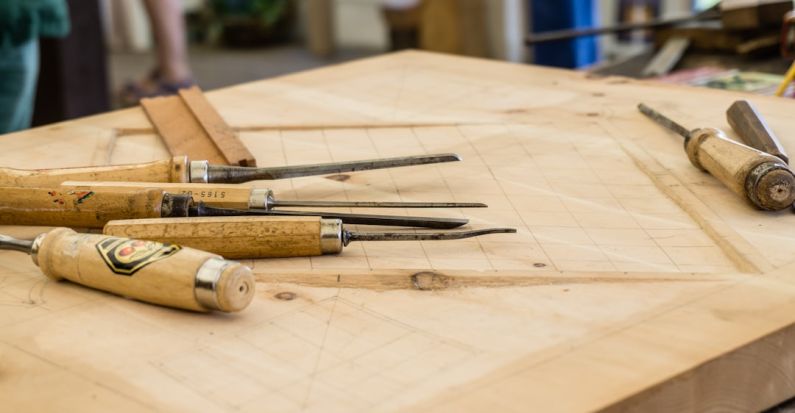
To start learning woodworking, you’ll need to have the right tools and equipment at your disposal. Basic tools such as a saw, hammer, chisel, tape measure, and sandpaper are essential for most woodworking projects. Investing in quality tools will not only make your work easier but also ensure that your projects turn out well. Consider purchasing a basic woodworking kit that includes the essential tools you’ll need to begin your woodworking journey.
Safety First
Safety is paramount when working with wood and power tools. Before you start any woodworking project, make sure you have the necessary safety gear, including safety glasses, ear protection, and a dust mask. Familiarize yourself with the proper way to handle tools and equipment to minimize the risk of accidents. Always follow safety guidelines and instructions provided by tool manufacturers to ensure a safe and enjoyable woodworking experience.
Start with Simple Projects
When learning woodworking, it’s best to start with simple projects that allow you to practice basic techniques and gain confidence in your skills. Begin with small projects such as a cutting board, picture frame, or wooden box. These projects will help you develop essential woodworking skills, such as measuring, cutting, sanding, and finishing. As you gain more experience, you can gradually move on to more complex projects that challenge your abilities.
Learn from Experienced Woodworkers
One of the best ways to learn woodworking is to seek guidance from experienced woodworkers. Consider taking a woodworking class at a local community center or woodworking shop to learn the fundamentals of the craft from seasoned professionals. Attending workshops and demonstrations can also provide valuable insights and tips that will help you improve your woodworking skills. Additionally, joining online woodworking forums and communities can connect you with a network of woodworkers who can offer advice, support, and inspiration.
Practice, Practice, Practice
Like any skill, woodworking requires practice to master. Dedicate time to honing your woodworking skills by working on projects regularly. The more you practice, the more comfortable you’ll become with using tools, following plans, and troubleshooting common woodworking challenges. Don’t be afraid to make mistakes – learning from them is an essential part of the woodworking process.
Experiment with Different Techniques
Woodworking is a versatile craft that offers a range of techniques to explore. Experiment with different woodworking techniques, such as joinery, carving, and turning, to broaden your skills and knowledge. Trying new techniques will not only challenge you but also help you discover your strengths and preferences as a woodworker. Attend workshops or watch online tutorials to learn new techniques and incorporate them into your projects.
Build a Workshop
Creating a dedicated workspace for your woodworking projects can enhance your learning experience and productivity. Set up a workshop in your garage, basement, or backyard where you can store your tools and work on projects comfortably. Organize your workspace efficiently, ensuring that you have easy access to tools and materials. A well-equipped workshop will provide you with a conducive environment to practice woodworking and unleash your creativity.
Conclusion: Embrace the Journey
Learning basic woodworking is a process that requires patience, dedication, and a willingness to learn. As you embark on your woodworking journey, remember that mistakes are part of the learning process and should be embraced as opportunities for growth. Stay curious, keep practicing, and don’t be afraid to challenge yourself with new projects and techniques. By following these steps and staying committed to honing your skills, you’ll soon find yourself on the path to becoming a proficient woodworker. Enjoy the journey and let your creativity flourish in the world of woodworking.