What Are the First Steps in Gardening for Beginners?
Embarking on the journey of gardening as a beginner can be both exciting and daunting. You may have visions of lush greenery and vibrant blooms dancing in your head, but where do you even begin? Fear not, as the first steps in gardening for beginners can be broken down into manageable tasks that will set you on the path to creating your own little slice of paradise.
Choosing the Right Location
Before you start digging in the soil, take a moment to survey your outdoor space and select the ideal location for your garden. Most plants require a good amount of sunlight to thrive, so choose an area that receives at least six hours of direct sunlight per day. Additionally, consider factors such as access to water, soil quality, and proximity to your home for easy maintenance.
Deciding on Container vs. In-Ground Gardening
One of the first decisions you’ll need to make as a beginner gardener is whether you want to start with container gardening or opt for an in-ground garden. Container gardening is a great option for those with limited space or poor soil quality, as it allows you to control the growing environment more easily. In-ground gardening, on the other hand, offers more space for plants to spread their roots and may provide better overall growth for certain crops.
Selecting the Right Plants
Once you’ve determined the location and type of gardening you want to pursue, it’s time to choose the plants that will call your garden home. As a beginner, it’s best to start with easy-to-grow varieties that are well-suited to your climate and growing conditions. Consider factors like the amount of care required, the size of the plant at maturity, and whether the plant is annual or perennial.
Preparing the Soil
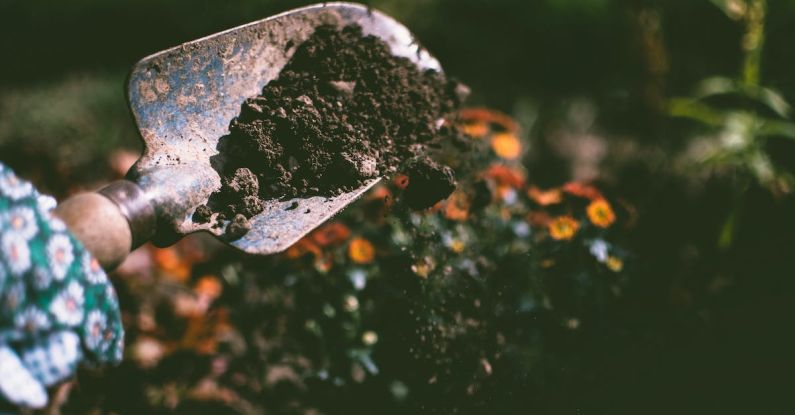
Healthy soil is the foundation of a successful garden, so it’s essential to prepare your soil before planting. Test your soil to determine its pH level and nutrient content, and amend it as needed with organic matter such as compost or aged manure. Mixing in a slow-release fertilizer can also help provide essential nutrients to your plants throughout the growing season.
Planting Your Garden
With your location chosen, gardening method selected, plants picked out, and soil prepped, it’s time to get your hands dirty and start planting. Follow the planting instructions for each type of plant, taking care to space them appropriately to allow for proper growth. Water your newly planted garden thoroughly and keep an eye on moisture levels in the following days to ensure your plants are off to a healthy start.
Caring for Your Garden
Once your garden is planted, the work is far from over. Regular maintenance is crucial to the success of your plants, so be prepared to water, weed, and provide any necessary support or protection as your garden grows. Monitoring for pests and diseases is also important, as catching issues early can prevent them from spreading and causing damage to your plants.
Enjoying the Fruits of Your Labor
As your garden begins to flourish and produce blooms or fruits, take the time to sit back and enjoy the beauty and bounty that you’ve cultivated. Whether you’re harvesting fresh vegetables for dinner, cutting flowers for a vase, or simply basking in the peacefulness of your outdoor oasis, gardening can be a rewarding and fulfilling hobby for beginners and seasoned gardeners alike.
Incorporating these first steps in gardening for beginners into your journey will set you on the right path to creating a thriving and beautiful garden space. Remember to start small, learn as you go, and most importantly, enjoy the process of watching your garden grow and flourish. With a little patience, care, and dedication, you’ll soon be reaping the rewards of your green thumb efforts.