How to Fix Common Household Items?
Household items are essential for daily life, but it’s inevitable that they will break or malfunction at some point. Before you rush to replace them, consider fixing them yourself. Not only can this save you money, but it can also be a satisfying and empowering experience. Here are some tips on how to fix common household items like a pro.
**Unclogging a Drain**
A clogged drain is a common household nuisance that can be easily fixed with a few simple steps. Start by removing any visible debris from the drain opening. Next, pour boiling water down the drain to help loosen and flush out the blockage. If that doesn’t work, try using a plunger to dislodge the clog. For tougher clogs, a mixture of baking soda and vinegar can be an effective natural solution. Finally, consider using a drain snake to physically remove the obstruction.
**Fixing a Leaky Faucet**
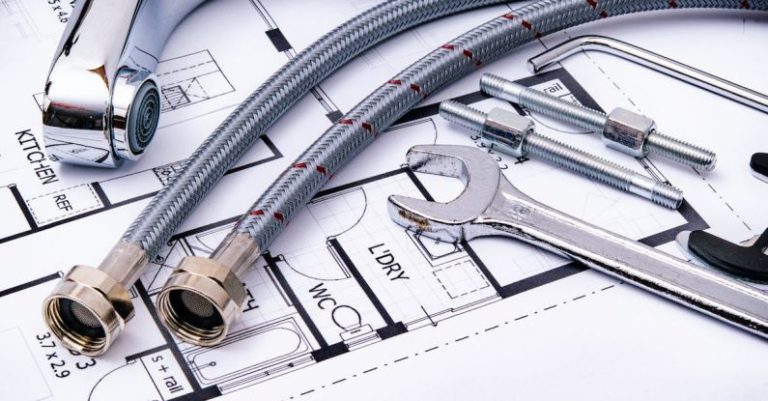
A leaky faucet is not only annoying but can also waste a significant amount of water. To fix it, start by turning off the water supply to the faucet. Next, disassemble the faucet handle to access the internal components. Check for worn out washers or O-rings, as they are often the culprit behind leaks. Replace any damaged parts with new ones from your local hardware store. Reassemble the faucet and turn the water supply back on to test for leaks.
**Repairing a Squeaky Door**
A squeaky door can be a major nuisance, especially if it wakes up sleeping family members. To fix it, start by identifying the source of the squeak. Apply a lubricant like WD-40 to the hinges and moving parts of the door. If the squeak persists, try tightening the screws on the hinges to eliminate any looseness that may be causing the noise. For wooden doors, applying a small amount of talcum powder to the hinges can also help reduce friction and silence the squeak.
**Patch a Small Hole in the Wall**
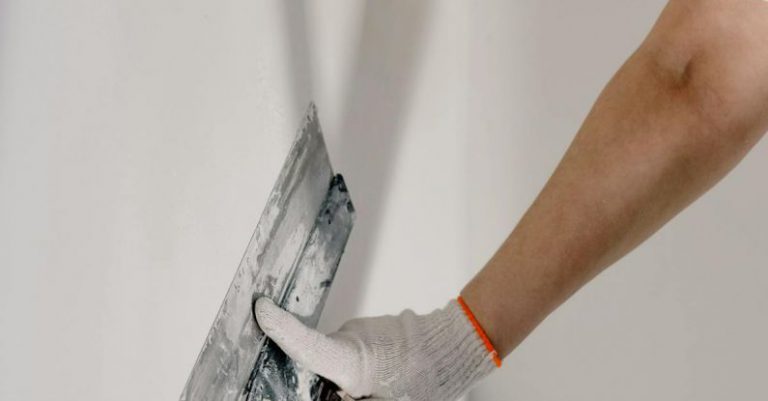
Small holes in the wall from nails or accidents can be easily patched up with some simple supplies. Start by cleaning the area around the hole and removing any loose debris. Use spackling compound or drywall patch to fill in the hole, making sure to smooth it out evenly with a putty knife. Allow the patch to dry completely before sanding it down to a smooth finish. For larger holes, consider using a wall repair kit that includes a self-adhesive patch for added strength.
**Fixing a Broken Lamp Cord**
A broken lamp cord can be a safety hazard and should be addressed promptly. To fix it, start by unplugging the lamp and removing the bulb. Cut the damaged section of the cord and strip the insulation to expose the wires. Twist the matching wires together and secure them with electrical tape. For added safety, cover the exposed wires with a wire nut or heat shrink tubing. Test the lamp to ensure it is working properly before using it again.
**Reviving a Stuck Zipper**
A stuck zipper on your favorite jacket or bag can be frustrating, but it can be easily fixed with a few household items. Start by gently pulling the fabric away from the zipper to relieve any tension. Use a graphite pencil or a bar of soap to lubricate the teeth of the zipper. Slowly work the zipper back and forth to distribute the lubricant evenly. If the zipper is still stuck, try using a pair of pliers to gently pull it free. Avoid forcing the zipper, as this can cause further damage.
**Summary**
Fixing common household items doesn’t have to be daunting or expensive. With a little know-how and some basic tools, you can tackle many repairs yourself. Not only will you save money, but you’ll also gain a sense of accomplishment and independence. So next time something breaks, don’t be quick to replace it—try fixing it first!