Can You Mix Paint Colors at Home?
Mixing paint colors at home can be a fun and creative way to personalize your living space. Whether you are looking to touch up a wall, revamp a piece of furniture, or create a unique piece of art, the ability to mix paint colors opens up a world of possibilities. But can you successfully mix paint colors at home, especially if you are not a professional painter or artist? Let’s explore the ins and outs of mixing paint colors and find out how you can unleash your inner artist right in the comfort of your own home.
Understanding Color Theory
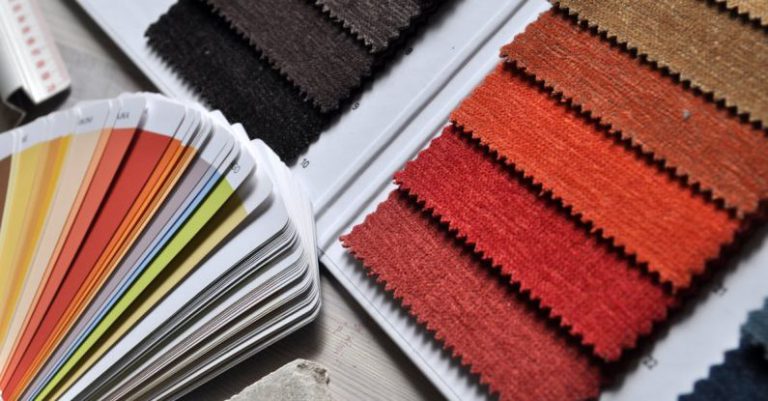
Before you start mixing paint colors, it’s essential to have a basic understanding of color theory. Color theory is the study of how colors interact with each other and how they can be combined to create new colors. The color wheel is a valuable tool that can help you visualize how different colors relate to each other. Colors that are opposite each other on the color wheel, such as red and green, are complementary colors and can create a striking contrast when paired together. On the other hand, colors that are next to each other on the color wheel, such as blue and green, are analogous colors and can create a harmonious color scheme when mixed.
Experimenting with Paint Colors
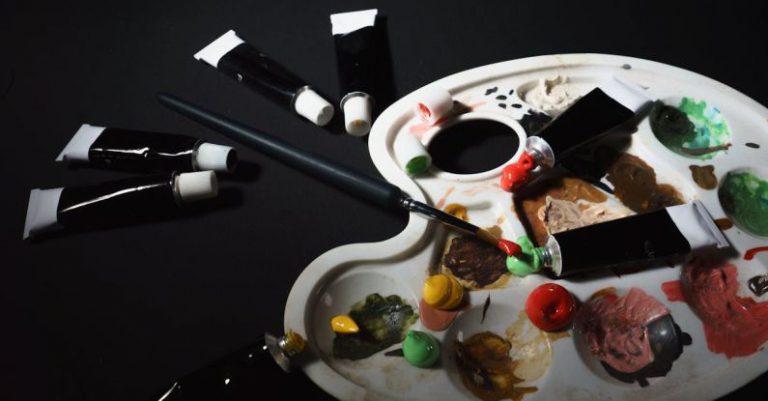
Once you have a grasp of color theory, it’s time to roll up your sleeves and start experimenting with paint colors. Start by gathering a few basic paint colors in primary colors (red, blue, and yellow) and white. These primary colors can be mixed together in various combinations to create a wide range of secondary and tertiary colors. For example, mixing red and blue will give you purple, while mixing yellow and blue will give you green. By adjusting the proportions of each color, you can create different shades and tones to suit your project.
Mixing Paint Colors for Home Projects
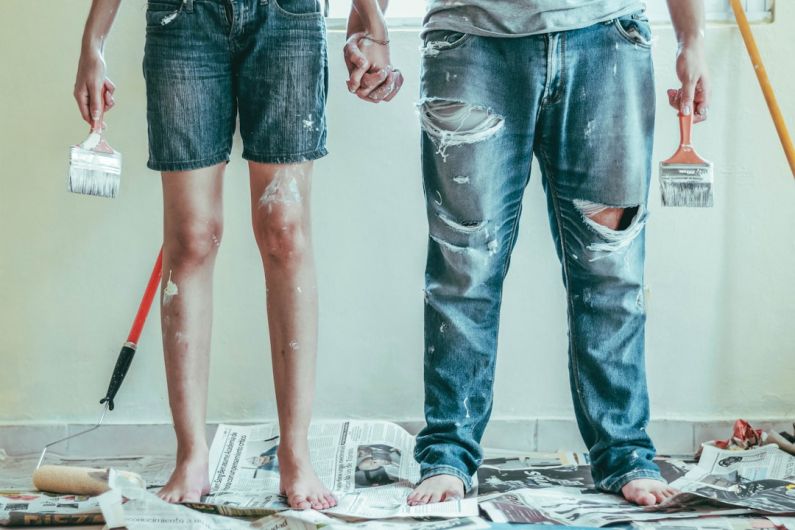
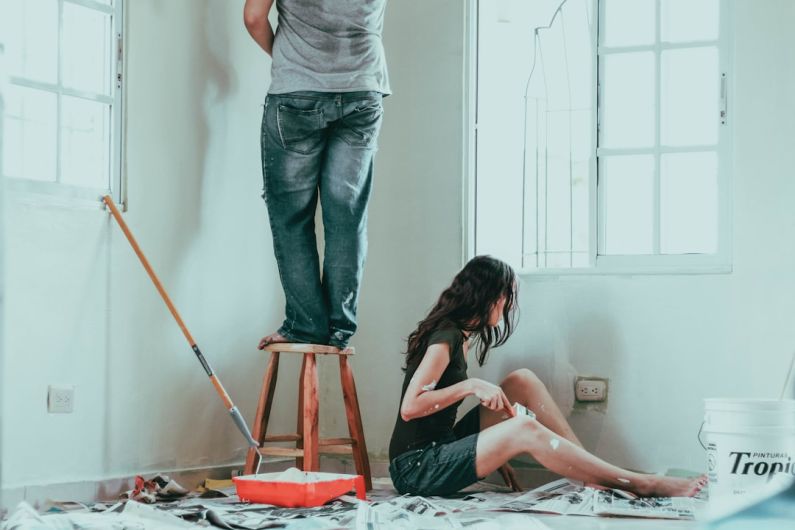
When it comes to home projects, mixing paint colors can help you achieve the perfect shade to match your decor or personal style. Whether you are painting a feature wall, refinishing a piece of furniture, or adding a pop of color to a room, custom-mixed paint colors can elevate the look of your space. Before you start mixing paint colors for your project, it’s a good idea to test your color combinations on a small surface to ensure that you are happy with the result. Keep in mind that paint colors may appear differently when dry, so it’s essential to allow your test samples to dry completely before making a decision.
Tips for Successful Color Mixing
To get the best results when mixing paint colors at home, follow these tips:
– Start with a small amount of paint and gradually add more as needed to achieve the desired color.
– Keep track of the proportions of each color you use so that you can replicate the shade if necessary.
– Mix paint colors in natural light to ensure that you are accurately assessing the color.
– Use a palette or disposable surface to mix your paint colors to avoid contaminating your original paint containers.
– Don’t be afraid to experiment and trust your instincts when mixing paint colors – sometimes the most unexpected combinations can yield beautiful results.
Embracing Your Inner Artist
Mixing paint colors at home is a creative and rewarding process that allows you to express your unique style and personality. Whether you are a seasoned artist or a novice DIY enthusiast, the ability to mix paint colors opens up a world of possibilities for transforming your living space. So go ahead, grab a paintbrush, and unleash your inner artist by creating custom-mixed paint colors that reflect your individuality and creativity.