What Protective Gear Is Necessary for Diy Projects?
Getting your hands dirty with DIY projects can be a rewarding experience, whether you are working on home renovations, crafting, or woodworking. However, it is crucial to prioritize safety when engaging in these activities. One of the key aspects of staying safe during DIY projects is using the appropriate protective gear. In this article, we will explore the necessary protective gear that you should have on hand to ensure your safety and well-being while tackling DIY projects.
Eye Protection
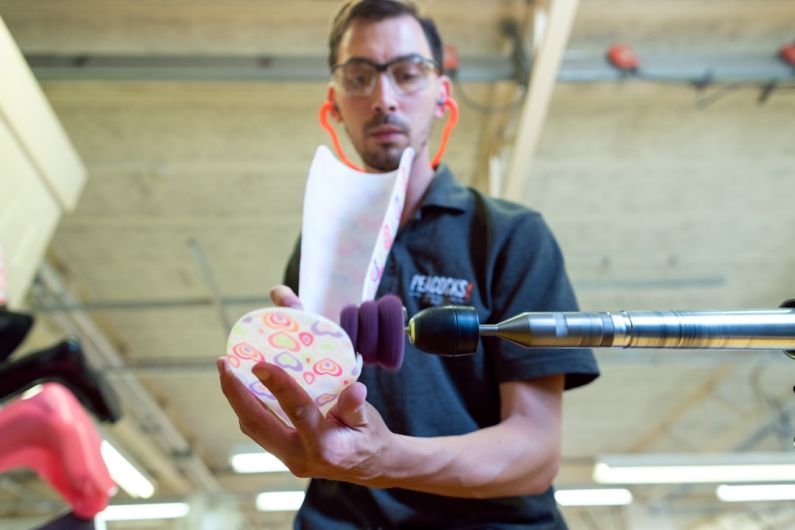
When working on DIY projects, eye protection is essential to safeguard your vision from potential hazards such as flying debris, dust, or chemicals. Safety glasses or goggles are a must-have item to prevent eye injuries. Whether you are cutting wood, drilling holes, or painting, wearing eye protection can prevent serious accidents that could result in long-term damage to your eyes.
Respiratory Protection
Many DIY projects involve tasks that generate dust, fumes, or airborne particles that can be harmful if inhaled. To protect your respiratory system, especially when working with materials like paint, chemicals, or sawdust, wearing a respirator or a dust mask is crucial. These protective devices help filter out harmful particles and ensure that you breathe clean air while working on your projects.
Hand Protection
Your hands are often at the forefront of DIY projects, making it essential to protect them from cuts, abrasions, or chemical exposure. Wearing a sturdy pair of work gloves can provide the necessary protection for your hands while handling tools, materials, or sharp objects. Choose gloves that are appropriate for the specific task at hand, whether it involves heavy-duty work or more delicate tasks that require dexterity.
Head Protection
Head injuries can occur in DIY projects due to accidental falls, falling objects, or bumping into hard surfaces. Wearing a hard hat or a safety helmet is essential when working in construction, renovation, or any project where there is a risk of head injury. By wearing head protection, you can minimize the impact of potential accidents and safeguard your head from serious injuries.
Foot Protection
Protecting your feet is equally important when engaging in DIY projects that involve heavy materials, power tools, or working in potentially hazardous environments. Steel-toed boots or sturdy work shoes can provide the necessary protection against falling objects, sharp debris, or accidental impacts. Keeping your feet safe and secure with proper footwear is essential to prevent injuries and ensure your overall safety during DIY projects.
Hearing Protection
Exposure to loud noises from power tools, machinery, or construction activities can damage your hearing over time. To protect your ears from noise-induced hearing loss, wearing earplugs or earmuffs is essential when working on noisy DIY projects. By using hearing protection, you can reduce the risk of hearing damage and maintain your auditory health while completing your projects.
Skin Protection
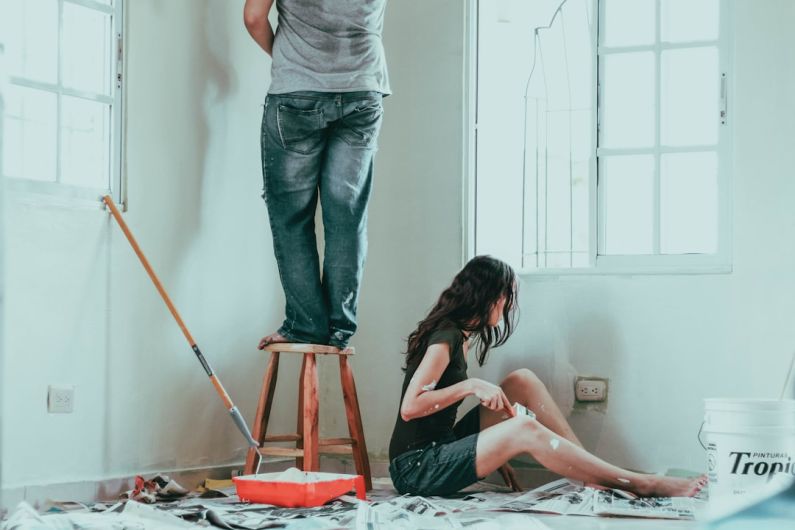
Chemicals, solvents, and other hazardous substances commonly used in DIY projects can irritate or damage your skin upon contact. Wearing long-sleeved shirts, pants, and protective clothing can help shield your skin from harmful substances and minimize the risk of skin irritation or burns. Additionally, using barrier creams or gloves when handling chemicals can provide an extra layer of protection for your skin.
Staying Safe in DIY Projects
Ensuring your safety during DIY projects should always be a top priority. By wearing the necessary protective gear and following safety guidelines, you can minimize the risk of accidents, injuries, and health hazards while working on your projects. Remember to assess the specific risks involved in each task and choose the appropriate protective gear to keep yourself safe and secure throughout your DIY endeavors. Stay safe, stay protected, and enjoy the satisfaction of completing your DIY projects with peace of mind.