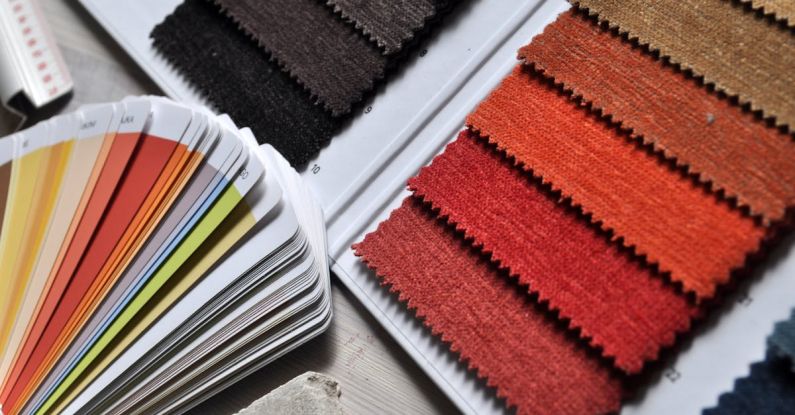
How to Choose Fabrics for Upholstery?
When it comes to revamping your furniture or giving a fresh look to a space, the choice of upholstery fabrics plays a crucial role. Selecting the right fabric can enhance the overall aesthetic appeal of a room and ensure the longevity of your furniture. With a myriad of options available in the market, choosing the perfect fabric for upholstery can be overwhelming. To help you navigate through this process, here are some essential tips on how to choose fabrics for upholstery.
Understanding Your Needs
Before diving into the fabric selection process, it’s vital to understand your needs and preferences. Consider factors such as the intended use of the furniture, the level of durability required, and the overall style you want to achieve. For high-traffic areas like living rooms, opt for durable fabrics such as leather, microfiber, or tightly woven cotton. On the other hand, if you’re aiming for a more luxurious feel, velvet or silk fabrics may be more suitable for accent pieces or decorative cushions.
Color and Pattern
The color and pattern of the upholstery fabric can significantly impact the look and feel of a space. When choosing a color, take into account the existing color scheme of the room and the mood you want to create. Neutral colors like beige, gray, or navy are versatile options that can easily complement different design styles. If you’re feeling adventurous, consider incorporating bold colors or patterns to add a pop of personality to your furniture.
Texture
Texture is another important aspect to consider when selecting upholstery fabrics. Different textures can evoke different sensations and add depth to a room. For a cozy and inviting feel, opt for plush fabrics like chenille or velvet. If you prefer a more casual look, linen or cotton blends can provide a relaxed and laid-back vibe. Mixing and matching textures can also create visual interest and make your furniture more visually appealing.
Durability
Durability is a key factor to consider, especially if you have children, pets, or expect heavy use of the furniture. Fabrics with a high rub count, such as leather or synthetic fibers, are more resistant to wear and tear. Additionally, look for fabrics that are stain-resistant or easy to clean, especially if you want to maintain the pristine look of your upholstery for years to come.
Consider the Style of Furniture
The style of your furniture should also influence your choice of upholstery fabric. Traditional furniture pieces may look best in classic fabrics like damask or brocade, while modern furniture can be complemented by sleek and minimalistic fabrics such as leather or linen. Make sure the fabric you choose enhances the overall design aesthetic of the piece and integrates seamlessly with the existing decor.
Budget Constraints
While it’s tempting to splurge on luxurious fabrics, it’s essential to consider your budget constraints when choosing upholstery fabrics. Set a realistic budget and explore different options within that range. Keep in mind that higher-priced fabrics may offer better quality and durability, but that doesn’t mean you can’t find affordable options that meet your needs.
Where to Buy
When it comes to purchasing upholstery fabrics, there are various options available, from local fabric stores to online retailers. Consider visiting fabric stores in person to feel the texture and quality of the fabrics before making a decision. Online retailers also offer a wide selection of fabrics at competitive prices, making it convenient to browse and compare different options from the comfort of your home.
Maintaining Your Upholstery
Once you’ve selected the perfect fabric for your upholstery, it’s essential to take proper care of it to ensure its longevity. Follow the manufacturer’s guidelines for cleaning and maintenance to keep your furniture looking fresh and new. Regular vacuuming, spot cleaning, and professional upholstery cleaning can help preserve the beauty of your fabric for years to come.
In Conclusion
Choosing the right fabric for upholstery is a crucial decision that can significantly impact the overall look and feel of your space. By considering factors such as durability, color, texture, and budget constraints, you can select a fabric that not only complements your furniture but also reflects your personal style. With these tips in mind, you can confidently navigate the fabric selection process and create a cohesive and visually appealing interior design scheme.